
What Is the Best Pickleball Paddle Material?
Carbon fiber, fiberglass, graphite, Kevlar or wood — and foam vs honeycomb cores. Here is what each material does to power, spin, control and durability.
Reader-supported: when you buy through our links we may earn a commission at no extra cost to you. As an Amazon Associate we earn from qualifying purchases. Learn more.
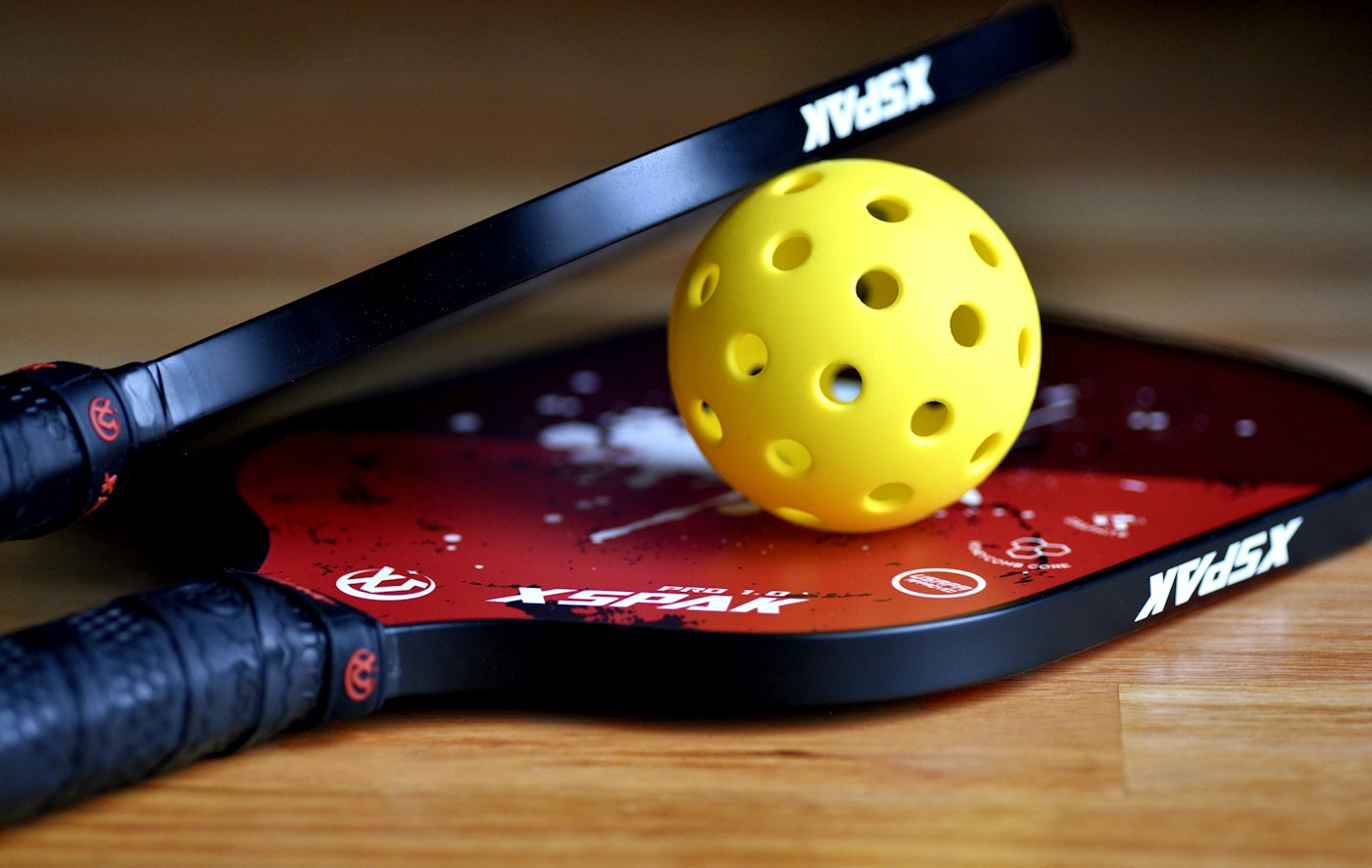
Raw carbon fiber (T700) is the best pickleball paddle face material for most players — it delivers the most spin, control and consistency. Pair it with a 16mm foam or polypropylene honeycomb core. Fiberglass is a good budget option for pop; graphite is light but low-spin; wood is only for very casual play.
A pickleball paddle has two main parts: the face (the hitting surface) and the core (the honeycomb or foam inside). The face decides spin and touch. The core decides power, feel and durability. Here is how each material compares.
Paddle face materials compared
| Face material | Spin | Power | Control | Durability | Typical price |
|---|---|---|---|---|---|
| Raw carbon fiber (T700) | High | Medium | High | Medium (grit wears) | $90–$300 |
| Textured / infused carbon (HexGrit, EverGrit) | Very high | Medium–high | High | High | $110–$250 |
| Fiberglass (composite) | Low–medium | High (pop) | Medium | Medium | $40–$120 |
| Graphite | Low | Medium | Medium | Medium | $50–$100 |
| Kevlar / aramid blends | Medium–high | Medium | High (plush) | High | $180–$250 |
| Wood | Very low | Low | Low | High | $15–$40 |
Carbon fiber
Carbon fiber is the 2026 standard. Raw (uncoated) carbon has a natural texture that grips the ball for spin. T700, made by Toray, has higher tensile strength than older T300 fiber, which gives a stiffer, more consistent face. Nearly every paddle on our best pickleball paddles list uses it.
Textured and infused grits
Brands now add durable textures on top of carbon — 11SIX24 HexGrit, Vatic Pro EverGrit, Six Zero Diamond Tough, Selkirk InfiniGrit. They keep spin longer than plain raw carbon, which can wear smooth in a few months of heavy play.
Fiberglass
Fiberglass flexes more, so it adds pop and a little power. It has less texture, so spin is lower. It is common on budget paddles and paddle sets.
Graphite
Graphite faces are thin, light and crisp. They feel precise but have a smooth surface with little spin. The classic Onix Z5 uses graphite.
Kevlar (aramid)
Kevlar blends feel plush and are very durable. Six Zero’s Ruby is a well-known Kevlar-face paddle, praised for touch and feel.
Wood
Wood paddles are heavy and cheap. They are fine for schools and very casual play, not for anyone who plays weekly.
Paddle core materials compared
| Core | Feel | Best for | Watch out for |
|---|---|---|---|
| Foam (EPP / EVA, “Gen 4”) | Soft yet poppy | Most players in 2026 | Some feel stiff or “dense”; varies by brand |
| Polypropylene honeycomb | Soft, quiet, controlled | Control and soft-game players | Thermoformed versions can suffer core crush |
| Nomex honeycomb | Hard, loud, poppy | Budget power | Noise; older technology |
| Aluminum honeycomb | Light, controlled | Touch players (rare today) | Dents; limited power |
Foam vs honeycomb: what changed
Thermoformed polymer paddles (often called Gen 3) brought big power but also “core crush” — a softening that makes the paddle jumpy over time. Foam cores solved much of that and now cost as little as $100. Examples: Vatic Pro V-Sol Tour, Six Zero Coral and Selkirk Boomstik. Honeycomb still wins for pure control, as in the Six Zero Double Black Diamond.
Best material combination by player
| Player | Face | Core | Example |
|---|---|---|---|
| Beginner | Graphite or fiberglass | Honeycomb | Onix Z5 |
| Beginner upgrading | Raw carbon | 16mm honeycomb | Vatic Pro PRISM Flash |
| Intermediate | Textured carbon | 16mm foam | Six Zero Coral |
| Spin player | Durable grit carbon | 16mm foam | 11SIX24 Ultré Power 2 |
| Tennis elbow | Raw carbon | Soft foam + damping | Paddletek Tempest Veyra |
Paddle material FAQs
What material is better for pickleball paddles?
Which pickleball paddle is better, wood or fiberglass?
Which is better, a titanium or carbon fiber pickleball paddle?
What paddle material do most pickleball pros use?
Is carbon fiber the best pickleball paddle?
What is the best core material for a pickleball paddle?
Is fiberglass or carbon fiber better for beginners?
What is T700 carbon fiber?
Next: learn how to choose a pickleball paddle or compare real numbers in our paddle specs database.

Our small independent editorial team researches paddle specs, published lab data and new releases, and writes and fact-checks every ranking, review and buying guide on this site.
Read our testing and rating method. Last updated November 19, 2026. Prices change often — tap “Check price” for today’s price.